
CampingSolar
Renogy Voyager 20A Review: Is This Waterproof Legend the Best Budget Controller for Your Boat or RV?


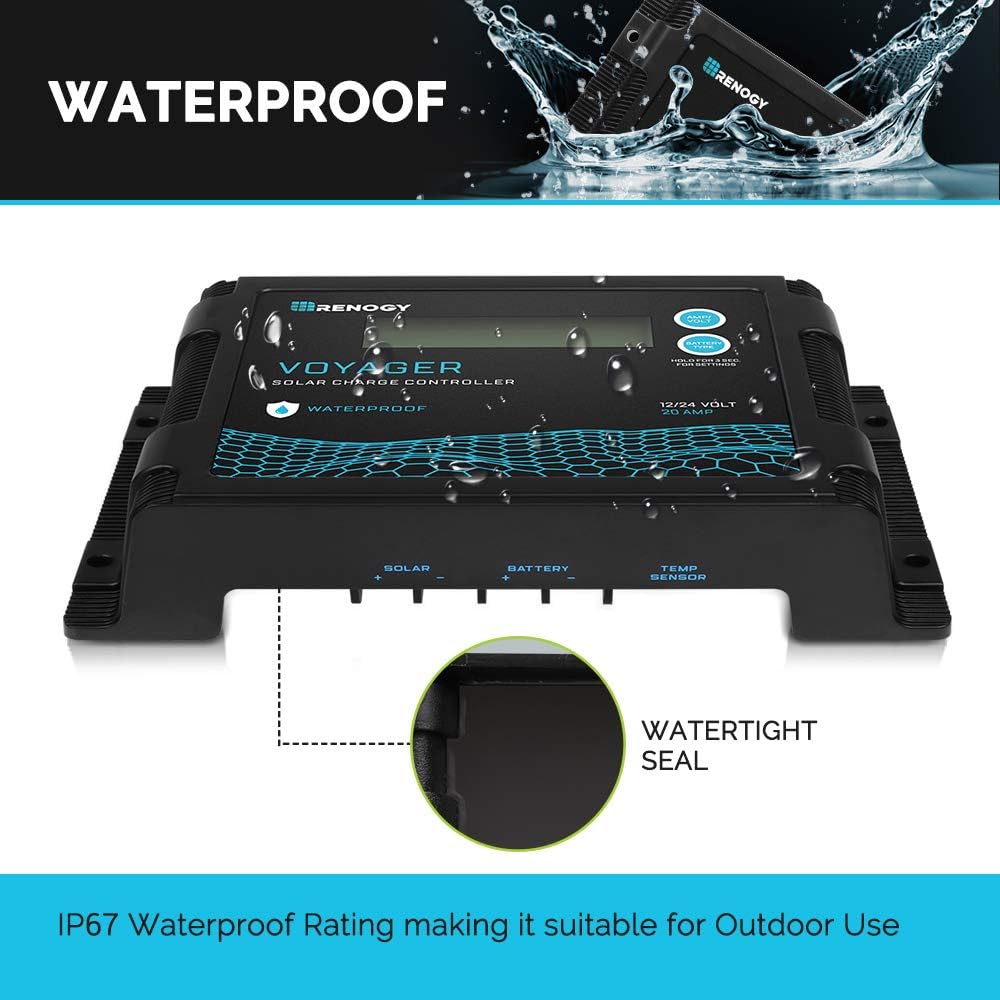

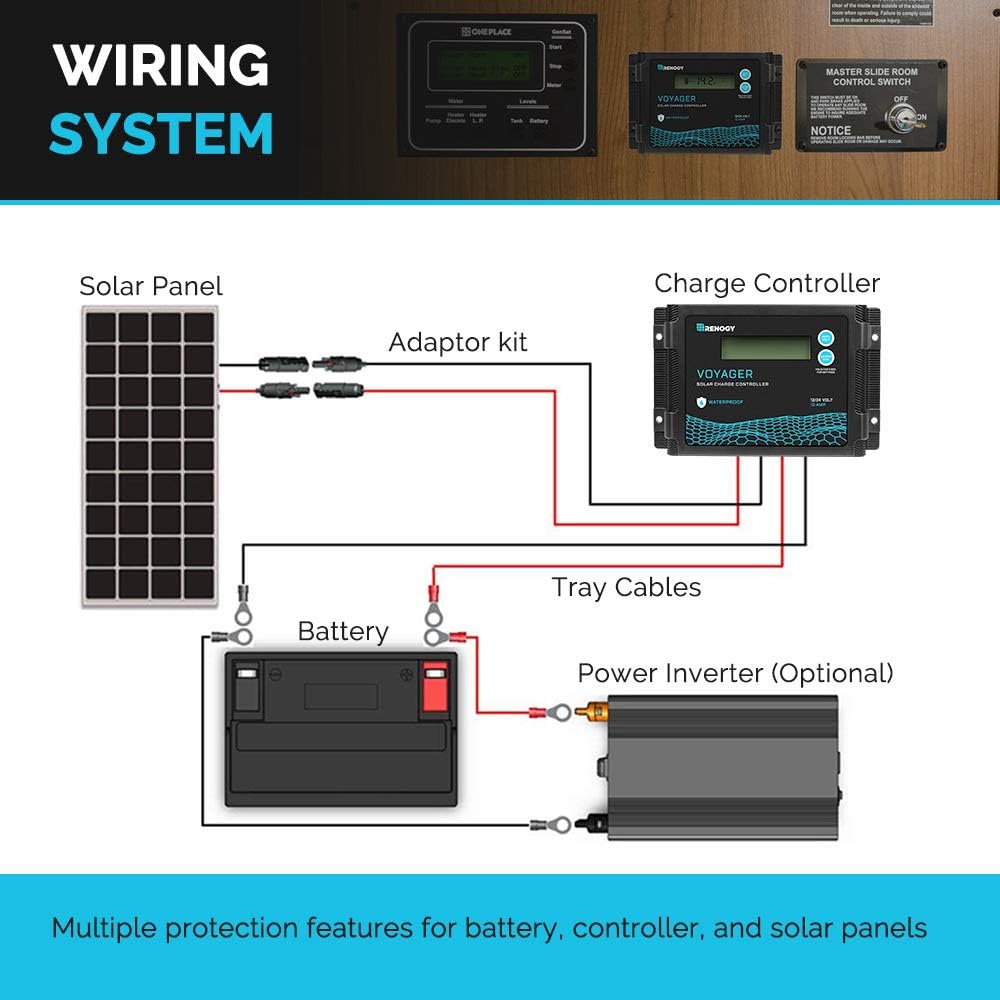
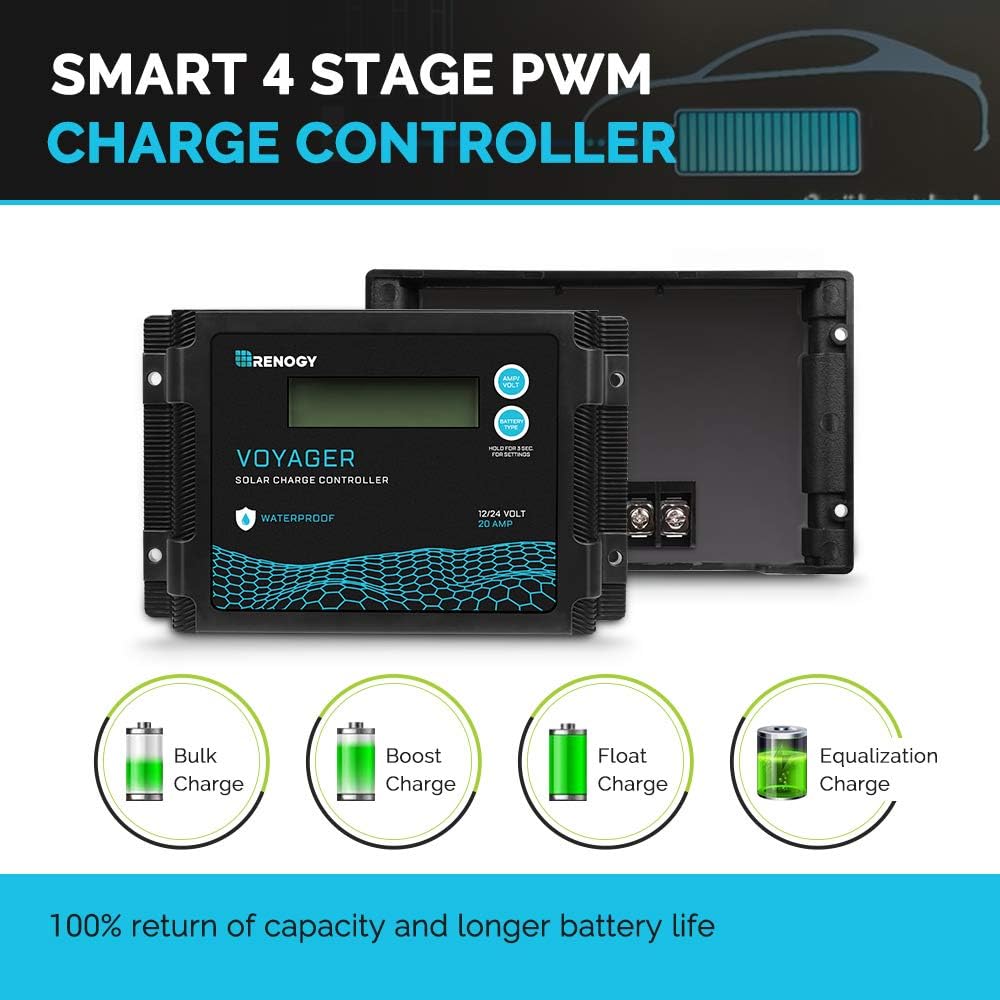
If you’re looking for a camping solar station brain that doesn’t mind getting its hands dirty—or wet—you’ve come to the right place. I’ve seen my fair share of controllers go “pop” after a bit of morning dew, but the Voyager is built like a submarine. It’s a 20-amp PWM regulator that focuses on two things: being incredibly easy to use and surviving where others fail. Whether you’re charging a portable solar battery for your van or keeping a boat battery topped up, the Voyager is the rugged companion you didn’t know you needed.
Think of it as the “off-road Jeep” of solar controllers—it might not have the racing speed of an expensive MPPT, but it will get you through the mud without breaking a sweat.
The Voyager isn’t trying to be a supercomputer. It’s trying to be the most reliable tool in your kit. Here is why GoOutdoor enthusiasts keep recommending it:
How does it handle the competition from CampingSolar.us? Let’s look at the waterproof rivals.
Even though it’s waterproof, you shouldn’t just bury it in the sand. Here’s how to treat it right:
Since this is a PWM controller, it works best when your solar panel voltage is relatively close to your battery voltage (around 17V-18V for a 12V system). It doesn’t need a fan, so it loves a bit of breeze, but it will handle the heat better than most “indoor” controllers. It’s perfect for 100W to 200W of solar panels on a 12V battery bank.
“Mounted this on the side of my off-road teardrop trailer. It’s been through two thunderstorms and a blizzard. Still works like the day I bought it. The screen is a lifesaver!” – Trailer Tom “Great simple controller for my boat. Finally, a unit that doesn’t die the moment a wave splashes the deck.” – Captain Salty Can I use this with a 24V battery? Is it better than MPPT? Does it have Bluetooth? If your solar setup is safely tucked away in a dry cabinet, you can find cheaper controllers. But if you need a portable solar battery regulator that can live on the roof, on the deck, or on an open trailer, the Renogy Voyager 20A is in a league of its own. It’s simple, it’s tough, and it’s genuinely waterproof.
Need more gear reviews? Visit CampingSolar.us for the best solar setups of 2026!
Key Features: Why the Voyager 20A Stands Out
Technical Specifications: The Nitty Gritty
Feature
Details
Rated Charge Current
20 Amps
System Voltage
12V DC (Automated)
Max PV Input Voltage
25V DC
Waterproof Grade
IP67 (Dust-tight + Water immersion)
Charging Algorithm
7-Stage PWM
Operating Temp
-40°F to 140°F
Comparison: Voyager vs. The Competition
Feature
Renogy Voyager 20A
Renogy Wanderer 10A
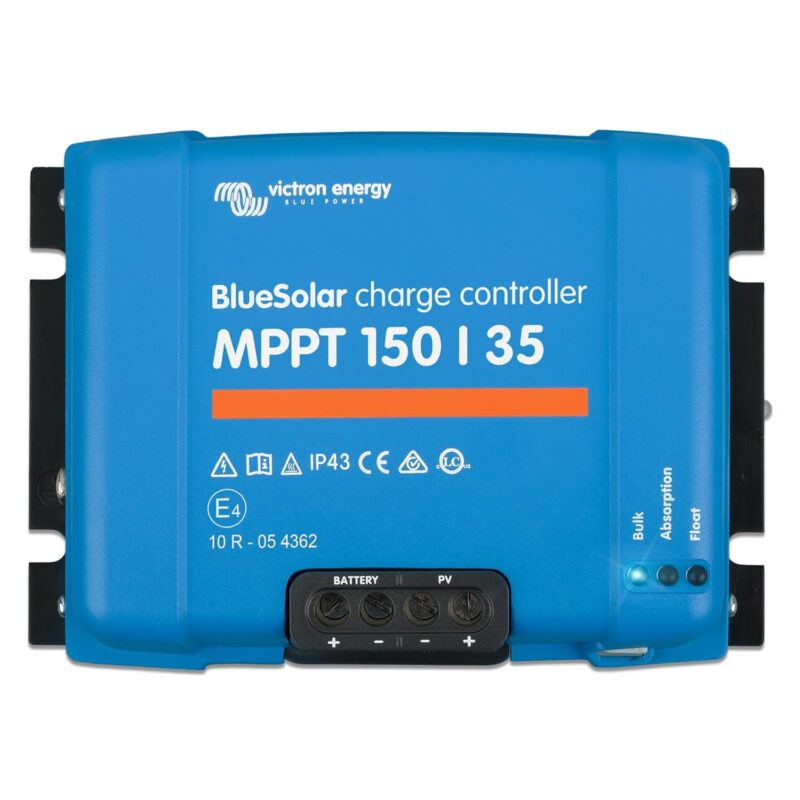
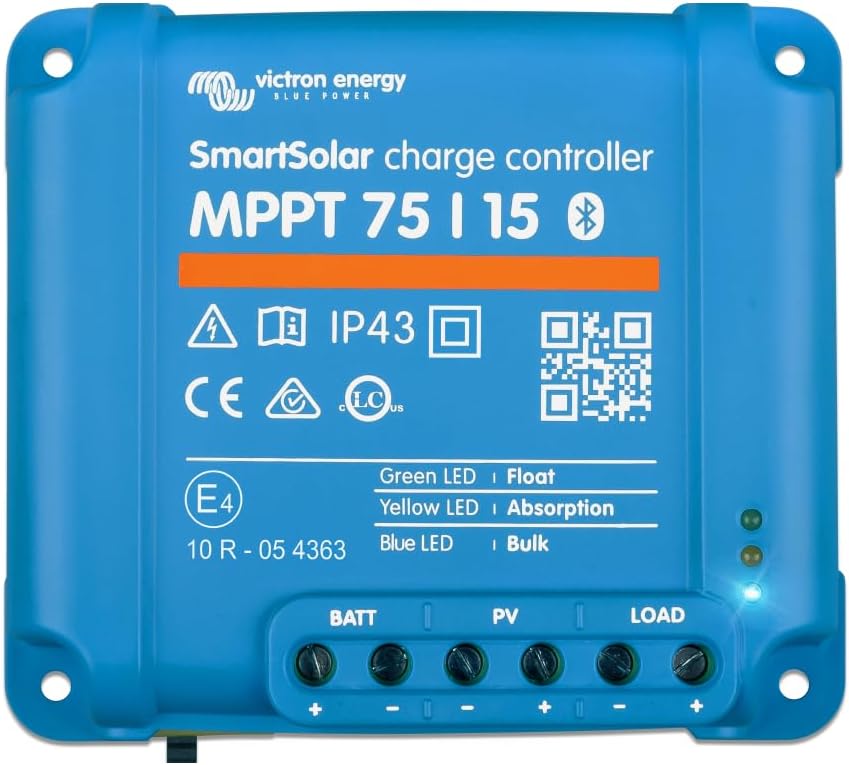
Victron BlueSolar (Waterproof)
IP Rating
IP67 (Superior)
None (Indoor)
IP65
LCD Screen
Yes (Backlit)
No (LEDs only)
No
Max Power
20A
10A
15A (Typical)
Best Use Case
Outdoor RV/Boats
Dry Van Interior
High-End Marine
Maintenance: How to Make Your Voyager Last a Decade
Optimal Conditions for Peak Juice
Top 3 Add-Ons for Your Voyager Setup
What Real Campers Are Saying
FAQ – Common Questions
Yes, it supports both 12V and 24V systems, though it’s most commonly used for 12V RV setups.
Not for efficiency, but it’s much better for your wallet and for wet environments. For small systems (under 200W), the difference in power is negligible compared to the price saving.
No. This is a “keep it simple” device. If you want Bluetooth, look at the Renogy Wanderer or Rover series.
The Final Verdict: Is it a Buy?